Country and Cultural Info About Our Current Modules
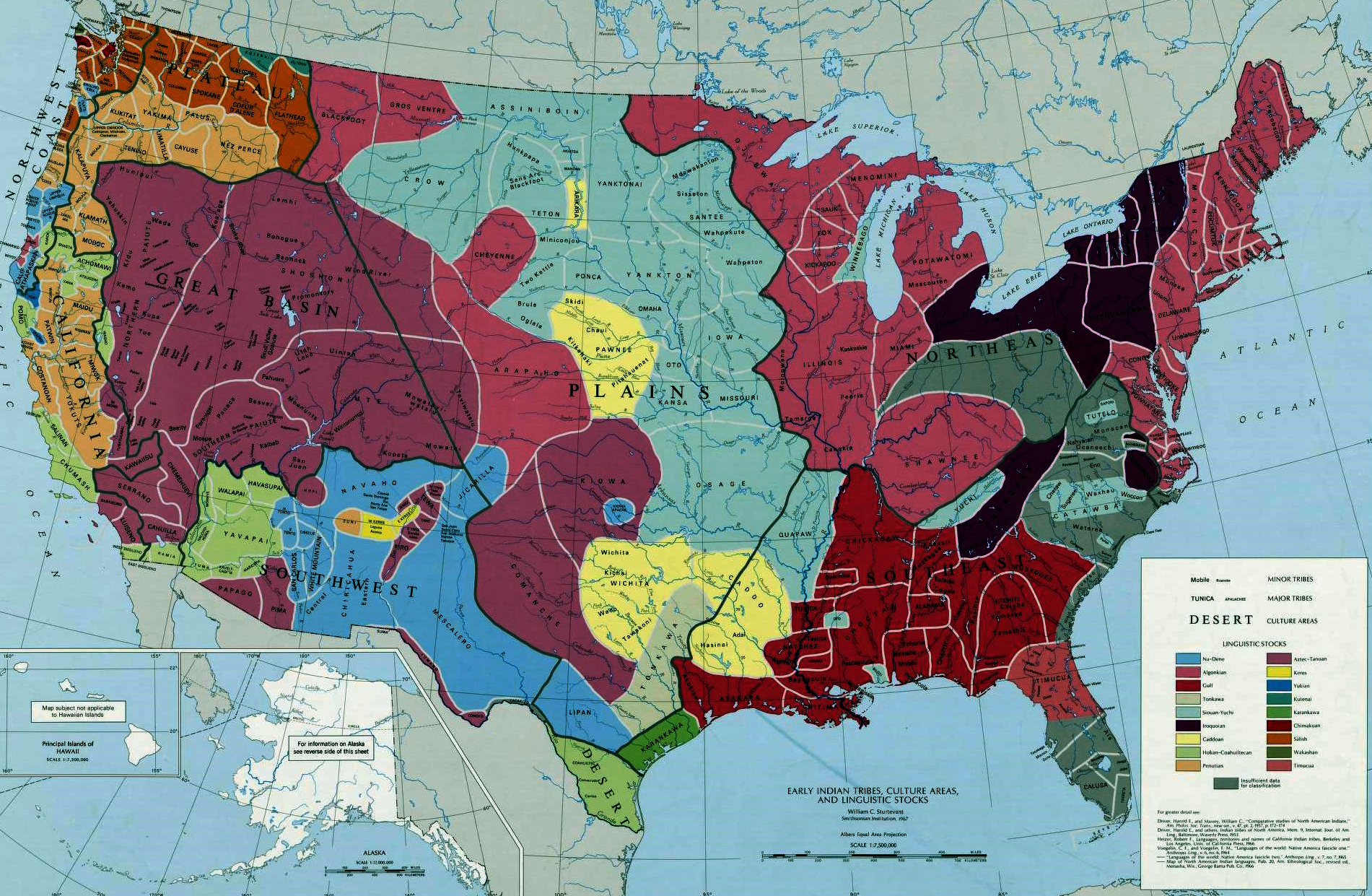
Native Americans, also referred to as Indigenous Peoples, are a diverse and vibrant group of people whose histories, cultures, and traditions have shaped and enriched the fabric of North America for thousands of years. This guide provides a foundational understanding for educators to introduce students to the richness and complexity of Native American societies.
Diversity Under the Umbrella of "Native Americans"
Native Americans encompass over :570 federally recognized tribes in the United States: alone, with additional groups recognized at the state level or in Canada. These tribes belong to :ten major language families: and collectively speak over :300 distinct languages:. This diversity reflects the vast array of cultures, traditions, and lifeways that developed across the continent's varied environments.
Societal Structures: Small Bands to Large Nations
Native American societies ranged from large, organized populations to small, tight-knit bands. For example:
• High-population groups:: The Cherokee, who were part of the Southeast's "Five Civilized Tribes," lived in structured villages with advanced agricultural systems.
• Smaller groups:: The Shoshone people, who lived in smaller, semi-nomadic bands in the Great Basin, depended on hunting and foraging.
Native American societies were also structured differently in terms of governance:
• Hierarchical nations:: The Aztec Empire, which spanned parts of present-day Mexico, had a complex social hierarchy and centralized leadership.
• Egalitarian groups:: The Plains tribes, such as the Cheyenne, operated with less rigid hierarchies, relying on councils of elders and community consensus.
Origins and History Before European Contact
Recent research suggests that Native Americans descended from groups that migrated from Siberia across the Bering Land Bridge approximately :15,000 to 20,000 years ago:. Archeological evidence and genetic studies indicate that these groups spread throughout North and South America, developing unique cultures over millennia. By the time Europeans arrived in :1492:, Native Americans had established intricate trade networks, spiritual systems, and cultural practices.
Cultural Differences and Popular Stereotypes
Native American cultures vary considerably across regions. For example:
• The Inuit of the Arctic relied on marine resources and developed ingenious technologies like kayaks and igloos.
• The Pueblo peoples of the Southwest built sophisticated adobe dwellings and were known for their pottery and agriculture.
However, many popular stereotypes of Native Americans derive from the Plains Indians, such as the Sioux or Comanche, particularly their equestrian culture and use of teepees. This narrow depiction overlooks the vast diversity of Native cultures across the continent.
European Colonization and Its Impacts
The arrival of Europeans in North America led to the carving up of territories by colonial powers such as Spain, France, and Britain. The impact on Native Americans was devastating:
• Diseases:: Smallpox, measles, and influenza killed an estimated :90% of the Native population: in some areas, as they had no immunity to these foreign illnesses.
• Wars and displacement:: Armed conflicts with European settlers and governments displaced countless tribes from their ancestral lands.
• Forced labor:: Some groups, such as the Tainos in the Caribbean, were virtually enslaved by European settlers.
The Reservation System
In the 19th century, Native Americans were forcibly relocated to reservations, often on marginal lands unsuitable for agriculture or hunting. Today, only about :22% of Native Americans: live on reservations, while the majority reside in urban areas. This shift reflects both the challenges and resilience of Indigenous communities as they adapt to modern life while preserving their cultural heritage.
Contributions to American Culture
Native Americans have had a profound influence on American culture. Contributions include:
• Agriculture:: Crops like corn, beans, squash, and potatoes originated with Native farmers.
• Language:: Words like "canoe," "moose," and "hurricane" are derived from Indigenous languages.
• Arts and crafts:: Jewelry-making, weaving, and beadwork have enriched American artistic traditions .
• Environmental stewardship:: Indigenous knowledge systems have shaped sustainable practices in land and resource management.
Native American Tribes in San Diego
San Diego is home to :18 federally recognized tribes:, the largest concentration in the United States. These tribes include the Kumeyaay, Luiseno, and Cahuilla peoples, among others. Historically, these groups developed sophisticated knowledge of the local environment, using it for food, medicine, and shelter. Today, many of these tribes continue to contribute to the region's cultural richness through events, arts, and language revitalization programs.
Teaching Respect and Understanding
As teachers, it is crucial to emphasize the diversity and resilience of Native American peoples. Encourage students to look beyond stereotypes and appreciate the depth and richness of Indigenous cultures. By fostering a respectful and inclusive classroom environment, educators can play a vital role in celebrating and preserving the stories and legacies of Native Americans.
Premium Licenses allow you to add 1 new module for no additional cost!
Additional modules are extra.